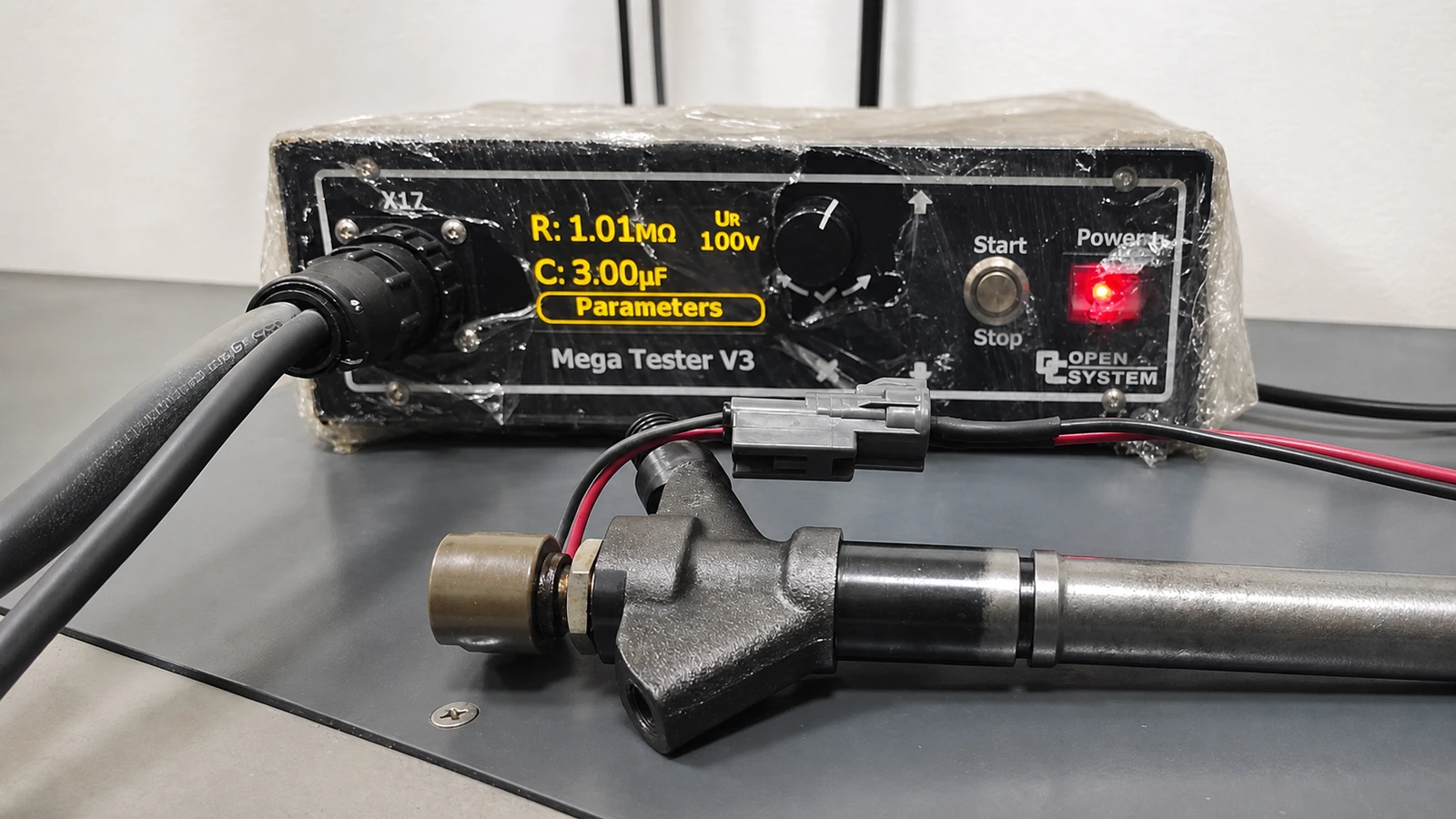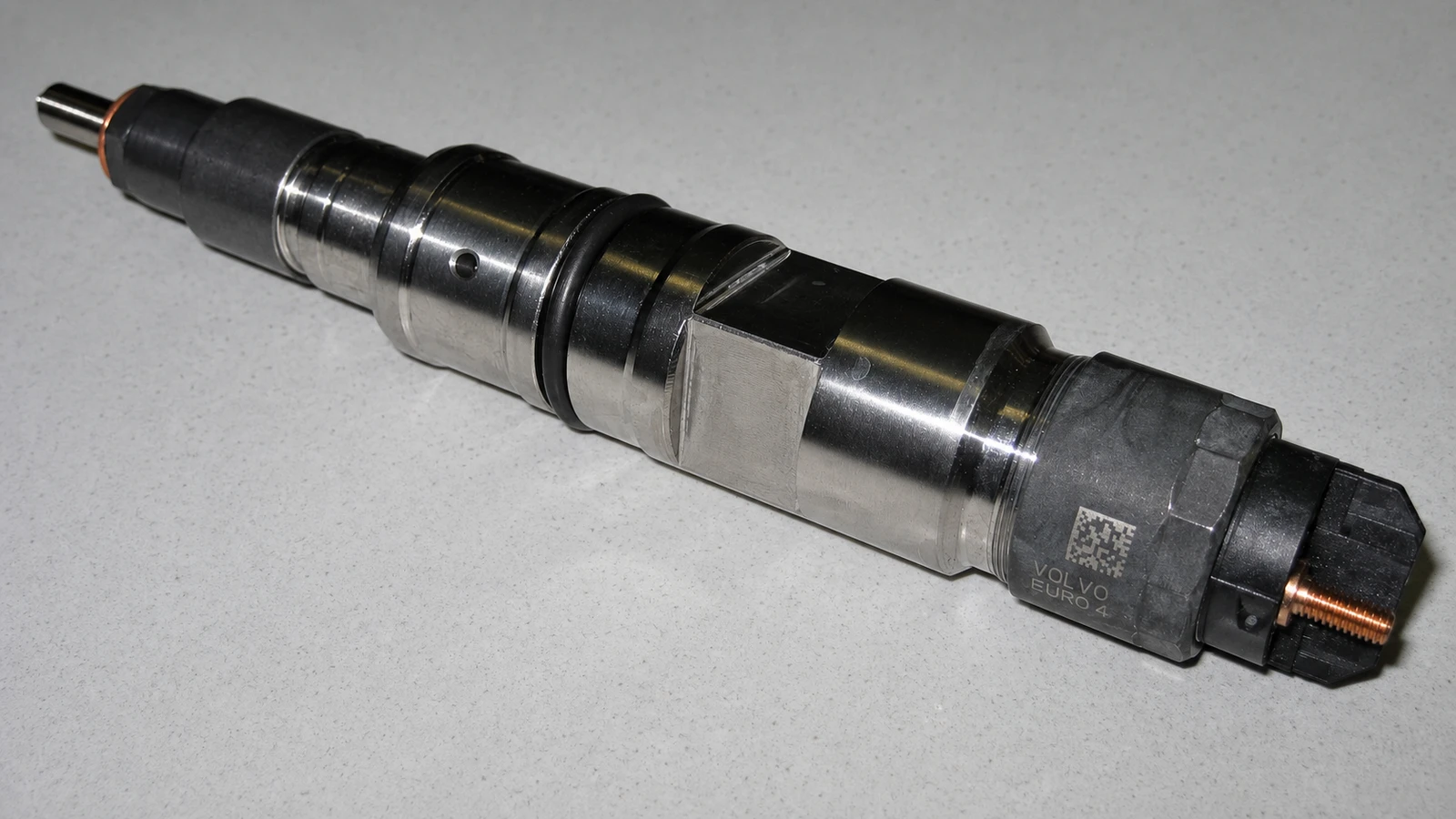

Injector repair in 2026: traceability from intake to vehicle verification
A detailed workshop process for ageing fleets: component identity, repair decisions, parts history, final testing, coding and vehicle verification.

Injectune Editorial
6 min read
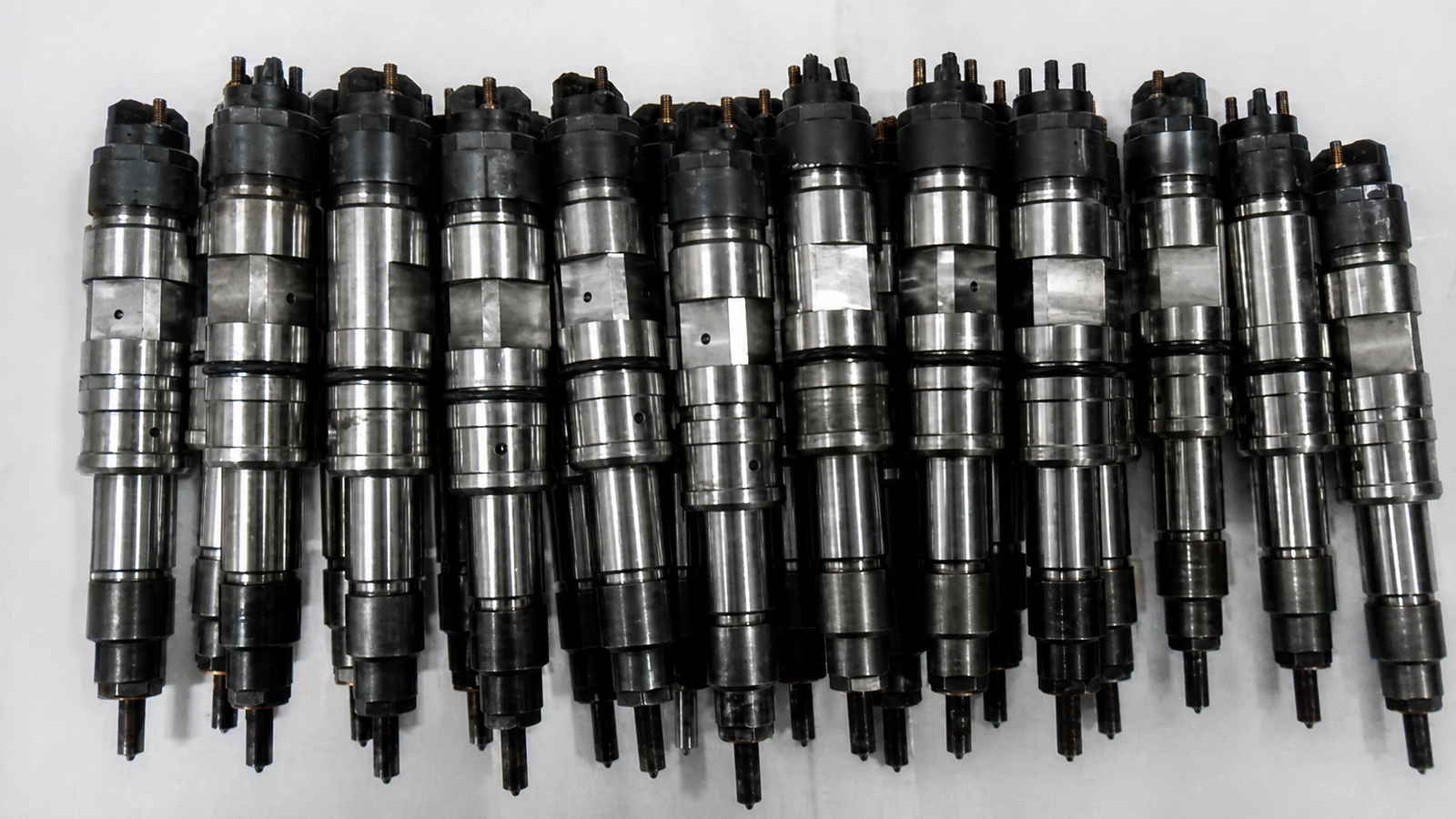
ACEA’s January 2026 report puts the average age of EU trucks at 14 years, using 2024 fleet data. ACEA 2026 fleet report.
Our industry interpretation is that keeping older vehicles in service makes a documented repair decision especially useful. An injector’s price matters, but so does the ability to show what was done and retrieve the evidence if a complaint returns. For a workshop planning its 2026 service offer, traceability is a practical quality tool. It does not mean that every old injector is repairable.
Define what the customer is buying
Delphi describes new, remanufactured and authorised-repaired injectors as separate options within its service programme. Delphi service options.
Our recommendation is to turn the word “reconditioned” into a clear scope: cleaning and testing, replacement of specified components, adjustment under an applicable procedure, and the final checks included. Show this distinction at quotation stage. A polished body cannot establish the extent of the work inside it.
1. Give every component an intake identity
Use a job number for the set and a separate identifier for each injector. Link the part number, readable serial number, existing correction code, original cylinder position and photographs to that identifier. If the original cylinder is unknown, do not invent it later.
Identification must survive cleaning and movement through the workshop without damaging the component. Separate containers can help prevent injectors and removed subcomponents from being mixed. The purpose is straightforward: the correct final report must travel with the correct physical injector.
2. Decide whether a valid repair is possible
Is an applicable repair procedure available? Are the correct components, test data and required equipment available for this injector? If any part of that chain is missing, the promised scope needs to reflect it. Replacement or referral to a specialist may be the appropriate decision.
Record uncertain identity, body damage and suspected contamination at intake. Preserve the initial test after any required preparation. Cleaning before recording the initial condition may alter evidence, so the sequence of operations should be visible in the file.
3. Connect the work history to the final result
| Stage | Record to retain | Question it answers |
|---|---|---|
| Intake | Identity, complaint, photographs, initial condition | What did we receive? |
| Diagnosis | Initial test, plan version and findings | Why did we recommend the work? |
| Repair | Changed parts, supplier or lot information, technician | What did we do and use? |
| Final control | Final test, reasons for repeats, applicable coding record | Why did we release the component? |
| After installation | Vehicle verification and outstanding work | Was the original complaint resolved? |
As a manufacturer-specific example, Bosch QualityScan makes authorised repair information accessible through a unique repair ID. Bosch Diesel Repair Network. A workshop’s own identifier does not imply that manufacturer’s authorisation or certification.
4. Verify final testing and coding separately
Release should follow completion of the applicable test plan. Where a new correction code is required, use a valid method supported for that injector family. Producing the code, registering it in the ECU and assigning it to the correct cylinder are separate operations.
Compare the report identity with the physical component. Retain earlier report revisions and record why they changed. If a QR link is used, include a readable component and report number too: the service history should remain retrievable when a link is unavailable.
The injector coding guide explains the distinction between characterising a component and registering its correction data in the vehicle.
5. Close the job on the vehicle
A bench pass does not establish that every vehicle fault has been resolved. Installation, sealing components, high-pressure line reuse and tightening values must follow the vehicle manufacturer’s instructions. Complete the required code registration and adaptation, then check the original complaint under appropriate operating conditions.
If the component workshop does not install the injectors, identify who will complete the vehicle checks. A pending fuel-system investigation should remain visible as outstanding work rather than disappearing behind a passed bench report.
Measure where the process needs improvement
Track jobs passing their first final test, reasons for repeat testing, incomplete identity records and returned jobs. Suggested investigation categories include component fault, installation, vehicle system, documentation error and unresolved cause. These are proposed workshop categories, not published industry failure rates.
Keep the number of delivered jobs and the follow-up period alongside return counts. Otherwise a growing workload can make an unchanged return rate look like declining quality. The measurement repeatability guide and fuel investigation guide complete this approach to evidence.
Sources checked on 12 September 2026. The proposed workflow is editorial guidance, not a claim of manufacturer approval or a specific Injectune software capability.
Put the knowledge to work.
Talk to our team about the injector applications and testing workflow for your workshop.
Discuss your configuration